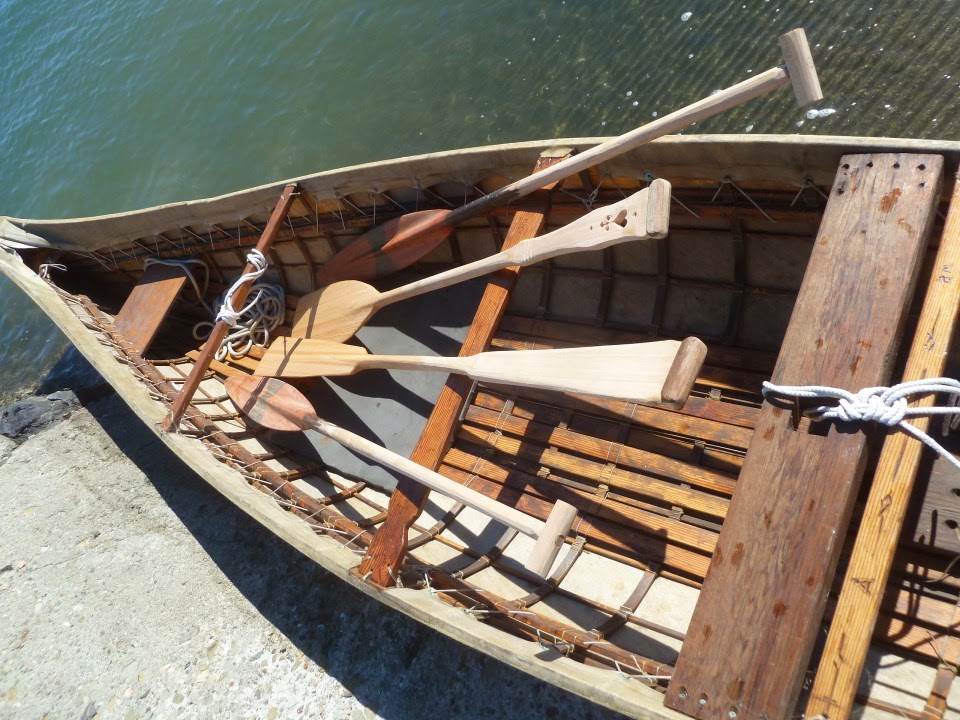
I dont know if subduction is the right word to describe the phenomenon of air getting sucked down along the back side of a kayak paddle, but there I am using it. Dictionaries indicate that common usage of subduction only applies to the geologic phenomenon of one piece of the earths crust getting shoved under another but here I am with no one to stop me and so I am expanding the usage of subduction.
I mention subduction because it is a phenomenon that impacts paddle efficiency adversely but looks so normal when it happens that its easy to miss entirely. Subduction happens because pulling the blade of a paddle through the water creates a low pressure region on the back side of the paddle. If the pressure is low enough, air will get sucked down along the blade of the paddle in response to the lower than atmospheric pressure there. The result is reduced efficiency of the paddle. Why? Because the amount of thrust you get from the paddle depends on the pressure difference between the front and the back of the blade.
Furthermore, this phenomenon seems to happen only with paddles that have long narrow blades. At the start of the stroke with a long bladed paddle, only part of the blade is in the water and part of it is still out of the water, as you pull on the paddle, low pressure is created on the back side of the blade and the relatively flat surface of the blade that is sticking out of the water directs air down the back of the blade. I suspect that water coming off both edges of the blade creates stable vorteces on both sides of the blade with a low pressure area in the middle that becomes the pathway for air subduction.
Commercial paddles with short, wide blades dont generate this phenomenon because the blade is fully immersed in the water before power is applied to it and the only thing sticking out of the water is the circular loom which does not produce any pathway for air to travel down to the low pressure area behind the blade.
But the phenomenon of air subduction with a long skinny blade is not unavoidable. Depending on how the paddle is held and moved through the water the phenomenon can be avoided. If the paddle blade is moved sideways as well as straight back, water moving across the face of the blade will not form the vortices that allow air to travel down the face of the paddle.
Since air subduction is dependent on low pressure on the back of the paddle blade, the lower the pressure, the higher the likelihood of subduction. Pressure is force divided by area so the same amount of force on a smaller area will create a greater pressure differential. And since on paddles with long narrow blades, only part of the full blade area is submersed at the start of the stroke, much more of a pressure differential is created across the face of the blade than in a paddle with a short wide blade where the whole blade is already fully submersed at the start of the stroke.
Not surprisingly the phenomenon of air subduction can appear anywhere that you move a fin shaped object through the water like for instance a lee board on a sail boat. The purpose of the lee board is to provide lateral resistance to a sail boat when it is sailing at an angle to the wind. Some sail boats use keels to achieve the same results but lee boards are more handy in places where the water is shallow. And they dont take up space in the cargo area of the boat like a centerboard does. Lee boards are generally used on relatively slow moving boats which cargo boats generally are. And the triangular shape of the lee boards on Dutch craft puts most of the surface area of the board toward the bottom of the board, keeping the top of the board relatively narrow to minimize air subduction.
A slightly related phenomenon to air subduction is cavitation. Unlike air subduction which happens when a foil pierces the surface of the water, cavitation generally happens when a foil is moving rapidly while fully submerged. If the speed of the foil is sufficient, it can create pressures low enough to cause water to vaporize. If you remember your high school physics, the temperature at which water turns from a liquid to a gas gets lower and lower as pressure drops. The net effect of water turning to vapor is the same as air getting sucked into the water, it reduces the efficiency of the moving foil. Generally, cavitation occurs in high speed propellers, but it can also happen in vertical fins on fast moving water craft like the one I posted about a few days ago. Read more about it on the Vestas sail rocket site.
Read More..
I mention subduction because it is a phenomenon that impacts paddle efficiency adversely but looks so normal when it happens that its easy to miss entirely. Subduction happens because pulling the blade of a paddle through the water creates a low pressure region on the back side of the paddle. If the pressure is low enough, air will get sucked down along the blade of the paddle in response to the lower than atmospheric pressure there. The result is reduced efficiency of the paddle. Why? Because the amount of thrust you get from the paddle depends on the pressure difference between the front and the back of the blade.
Furthermore, this phenomenon seems to happen only with paddles that have long narrow blades. At the start of the stroke with a long bladed paddle, only part of the blade is in the water and part of it is still out of the water, as you pull on the paddle, low pressure is created on the back side of the blade and the relatively flat surface of the blade that is sticking out of the water directs air down the back of the blade. I suspect that water coming off both edges of the blade creates stable vorteces on both sides of the blade with a low pressure area in the middle that becomes the pathway for air subduction.
Commercial paddles with short, wide blades dont generate this phenomenon because the blade is fully immersed in the water before power is applied to it and the only thing sticking out of the water is the circular loom which does not produce any pathway for air to travel down to the low pressure area behind the blade.
But the phenomenon of air subduction with a long skinny blade is not unavoidable. Depending on how the paddle is held and moved through the water the phenomenon can be avoided. If the paddle blade is moved sideways as well as straight back, water moving across the face of the blade will not form the vortices that allow air to travel down the face of the paddle.
Since air subduction is dependent on low pressure on the back of the paddle blade, the lower the pressure, the higher the likelihood of subduction. Pressure is force divided by area so the same amount of force on a smaller area will create a greater pressure differential. And since on paddles with long narrow blades, only part of the full blade area is submersed at the start of the stroke, much more of a pressure differential is created across the face of the blade than in a paddle with a short wide blade where the whole blade is already fully submersed at the start of the stroke.
 |
| Lee board on a shallow draft Dutch craft. |
 |
| The lee board deployed. The angle at which the board is deployed controls the amount of lateral resistance that the board supplies. The backward rake also allows the board to kick back and out of the way harmlessly should it hit bottom. |
A slightly related phenomenon to air subduction is cavitation. Unlike air subduction which happens when a foil pierces the surface of the water, cavitation generally happens when a foil is moving rapidly while fully submerged. If the speed of the foil is sufficient, it can create pressures low enough to cause water to vaporize. If you remember your high school physics, the temperature at which water turns from a liquid to a gas gets lower and lower as pressure drops. The net effect of water turning to vapor is the same as air getting sucked into the water, it reduces the efficiency of the moving foil. Generally, cavitation occurs in high speed propellers, but it can also happen in vertical fins on fast moving water craft like the one I posted about a few days ago. Read more about it on the Vestas sail rocket site.